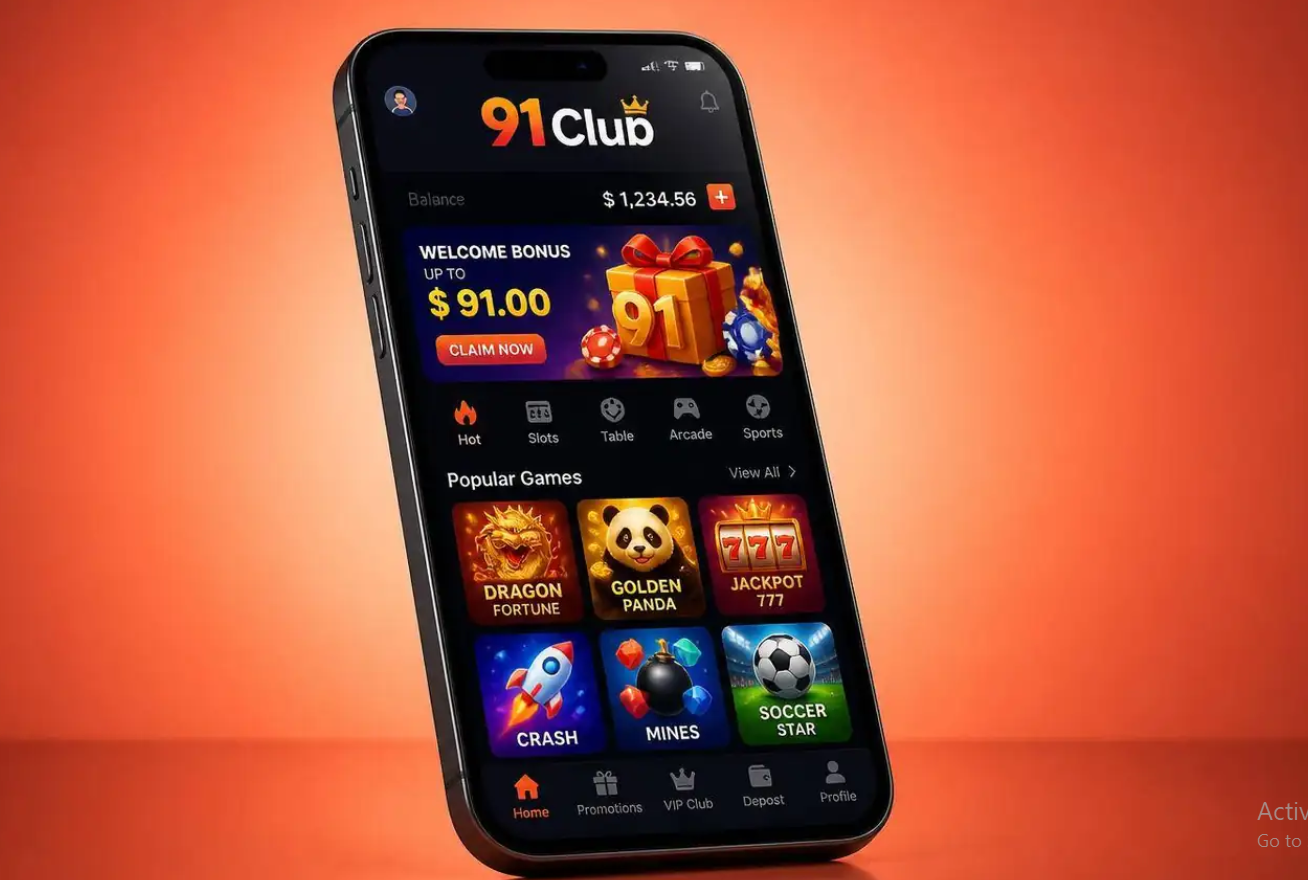
91 Club Business Review: Features, Digital Presence, and Platform Structure

The online entertainment industry has developed into a broad digital marketplace where technology, mobile accessibility, branding, and user experience all play important roles. As audiences increasingly use smartphones to access entertainment, online platforms are expected to provide convenient navigation, responsive interfaces, and reliable digital services. In this environment, 91 Club represents the type of online gaming brand that can be examined from a broader business and entertainment perspective.
A useful review of 91 Club should look beyond individual gaming features. Its digital presence, platform structure, user interface, technical foundation, customer experience, and overall brand presentation are all relevant when understanding how an online entertainment platform operates.
A Look at the 91 Club Digital Presence
A digital brand’s presence begins with how easily users can discover and recognize it online. Website design, search visibility, social communication, and consistent branding can all influence how audiences perceive a platform.
91 Club has a name that creates a distinct identity in the digital entertainment space. For an online brand, however, recognition depends on more than its name. Consistent visual presentation and clear communication can help create familiarity among visitors.
A strong digital presence should also provide useful information. Users generally want to understand what a platform offers, how its features work, and where they can find support before becoming regular visitors.
Platform Structure and Navigation
The structure of an online platform can have a major impact on the overall entertainment experience. When menus, categories, and account functions are organized logically, users can move through the platform with less confusion.
A well-structured 91 Club interface can place important features within easy reach while keeping the overall design visually balanced. Clear headings, recognizable buttons, and organized sections can make navigation more intuitive.
This is especially important for mobile users. A platform that works well on a smartphone needs to account for smaller screens, touch controls, and limited display space. Responsive design can help maintain usability across different devices.
Features and Digital Convenience
Modern entertainment platforms increasingly compete through convenience. Users expect websites and applications to respond quickly and make basic functions easy to understand.
Features such as account management, organized entertainment sections, help resources, and responsive navigation can contribute to the overall usability of 91 Club. Each feature has value when it helps users accomplish tasks without unnecessary steps.
Convenience is also closely connected to platform reliability. Even an attractive interface may provide a poor experience if pages load slowly or features frequently become unavailable. For this reason, technical performance is an important part of the overall platform structure.
Mobile Entertainment Experience
Smartphones have become one of the primary tools for accessing online entertainment. This trend has encouraged gaming businesses to develop mobile-first experiences rather than treating mobile access as an additional feature.
For 91 Club, mobile accessibility can influence how audiences interact with the platform. Responsive layouts, readable text, touch-friendly controls, and efficient loading can create a smoother experience on smaller screens.
Mobile optimization can also improve accessibility for users who prefer browsing without a desktop computer. However, businesses must consider security and privacy alongside convenience, especially when users create accounts or share personal information.
Technology Behind the Platform
The visible interface represents only one part of an online entertainment service. Behind the platform are servers, databases, software systems, security tools, and network infrastructure that support everyday operations.
For 91 Club, technical stability can be an important part of maintaining user confidence. System interruptions, broken pages, or slow responses can affect the overall perception of the platform.
Regular maintenance and monitoring can help identify potential problems. Software updates, performance testing, backups, and security checks are common components of responsible digital platform management.
As online services grow, scalable infrastructure may also become increasingly important. A platform needs to be capable of managing changes in traffic without compromising performance.
User Experience and Customer Support
Entertainment platforms are ultimately judged by how users experience them. Simple navigation, clear information, and responsive support can make a significant difference.
The 91 Club user journey may begin when someone discovers the platform and continues through browsing, account access, entertainment interaction, and support. Every stage contributes to the overall impression of the brand.
Customer support is particularly useful when users experience account or technical problems. Clear assistance can help resolve issues while also giving the business insight into recurring difficulties.
If the same question or problem appears frequently, platform operators can use that feedback to improve instructions or redesign certain features.
Digital Branding and Audience Engagement
Branding helps an online entertainment platform distinguish itself from competitors. Visual identity, communication style, content, and customer interactions all contribute to a brand’s personality.
For 91 Club, maintaining a consistent identity across its website and digital communication can improve recognition. Audience engagement can also be supported through useful content, regular updates, and clear communication.
However, effective engagement should be based on realistic expectations. Transparent information is important for building credibility, particularly in industries where users have many competing platforms to choose from.
Security and Responsible Platform Management
Security is an essential consideration for digital entertainment services. Platforms that manage user accounts need appropriate safeguards for personal information and login credentials.
Where monetary transactions are available, secure payment systems and clear transaction policies become particularly important. Users should review the applicable terms and confirm that any service involving money is legally available in their jurisdiction.
Responsible management can also involve privacy protections, age restrictions, transparent policies, accessible support, and appropriate responsible-gaming information. Regulatory requirements differ across markets, so businesses must follow the rules that apply to their operations.
Business Perspective and Future Development
The long-term development of an online entertainment platform depends on its ability to adapt. New technologies such as artificial intelligence, cloud computing, personalization, and advanced security systems may influence future platform features.
For 91 Club, potential areas of improvement could include faster mobile performance, clearer navigation, stronger security, better customer support, and improved digital infrastructure.
Competition is another important factor. As users become more familiar with online entertainment services, their expectations for design, speed, reliability, and transparency are likely to increase.
Conclusion
91 Club provides an interesting example of how an online gaming platform can be reviewed through its broader entertainment and digital business structure. Its appeal is not determined solely by individual features. Digital presence, mobile accessibility, interface design, technical reliability, customer support, branding, and responsible operations all contribute to the overall platform experience.
In a competitive online entertainment market, sustainable development depends on continuous improvement. Platforms that prioritize usability, reliable technology, transparent communication, and responsible digital practices can create a stronger foundation for long-term audience engagement and brand development.